Switzerland's Approach to Linking Verified Payment Channels with Mandatory Player Protection Features in Licensed Digital Gaming Environments
Erik Griffin · Sep 18, 2026
Switzerland's Approach to Linking Verified Payment Channels with Mandatory Player Protection Features in Licensed Digital Gaming Environments
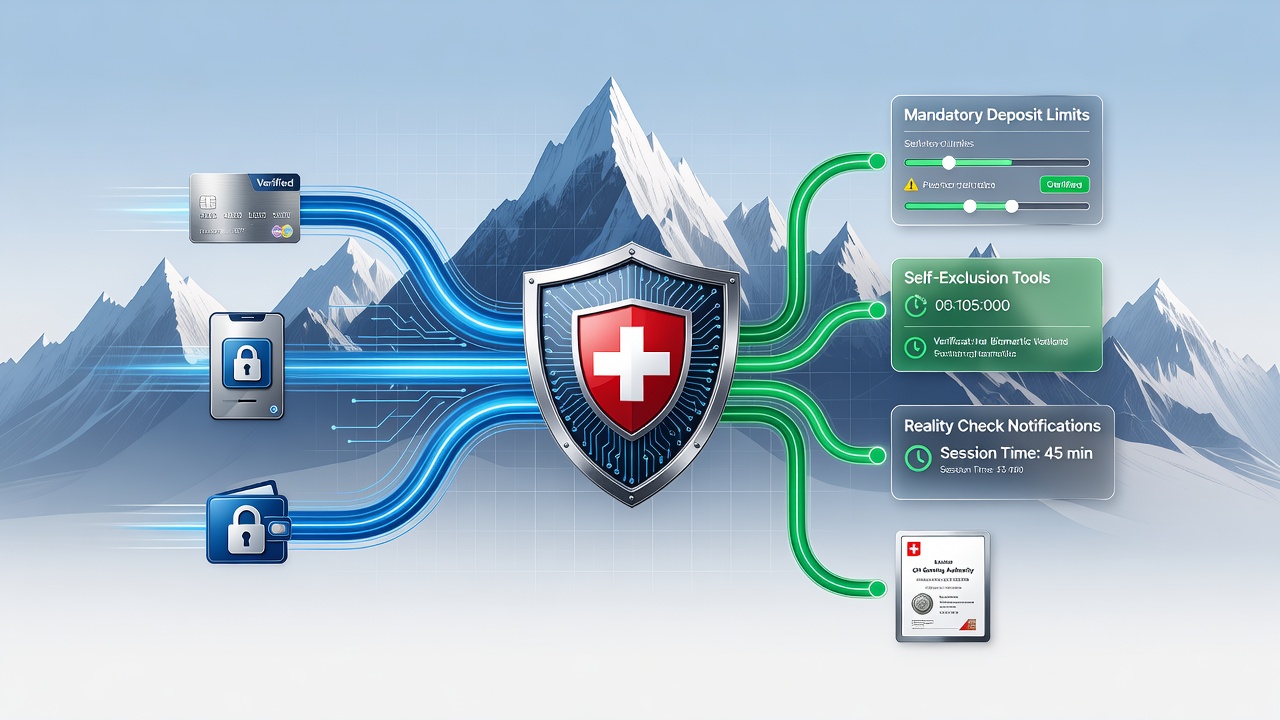
Switzerland maintains a structured system where licensed digital gaming operators must connect verified payment channels directly to mandatory player protection mechanisms under the Federal Act on Gambling, and this integration ensures that every transaction undergoes scrutiny for compliance with deposit limits, age verification, and self-exclusion protocols while operators process funds through approved financial pathways only.
Payment verification begins with identity checks that align with anti-money laundering standards set by the Swiss Financial Market Supervisory Authority, yet these same processes feed real-time data into protection databases that flag unusual spending patterns and trigger automatic interventions such as temporary account holds or mandatory cooling-off periods when thresholds get crossed.
Regulatory Framework and Licensing Requirements
The Swiss Federal Council oversees licensing through the Federal Gaming Board, which evaluates each applicant's ability to maintain secure payment rails that interface with national player protection registries, and this evaluation covers everything from bank transfer authentication to cryptocurrency handling where permitted under strict traceability rules.
Operators receive approval only after demonstrating that their systems route all deposits and withdrawals through channels capable of enforcing spending caps established during player registration, while data from these transactions updates centralized monitoring tools that licensed platforms must access continuously.
Research from the University of St. Gallen indicates that integrated verification reduces instances of unauthorized access by linking payment confirmations to behavioral analytics, and this connection allows authorities to audit compliance without requiring separate reporting streams.
Integration of Payment Verification with Protection Tools
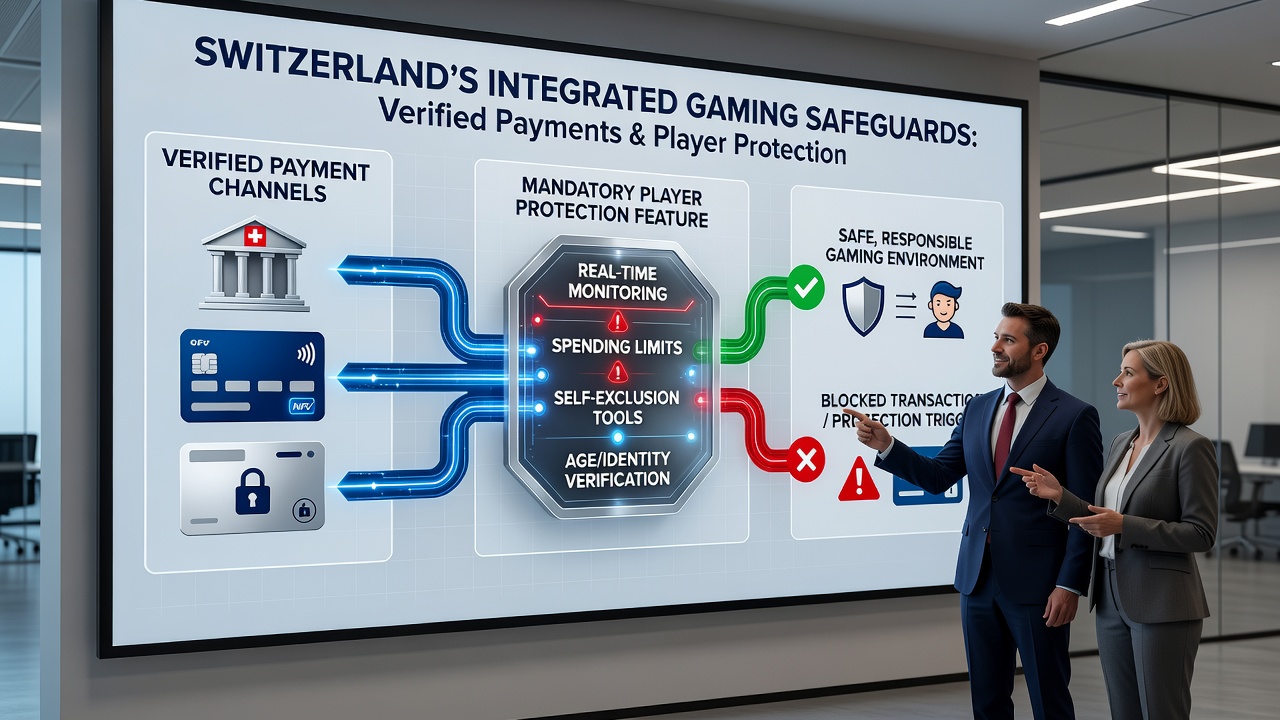
Verified payment channels operate as gatekeepers that activate player protection features at the moment funds enter an account, so a deposit exceeding a pre-set limit automatically initiates a review process involving responsible gaming officers who assess whether further restrictions apply based on the individual's history.
Self-exclusion lists maintained by the Swiss authorities connect directly to payment processors, which means any attempt to fund an account from a blocked user gets rejected at the transaction stage rather than after the fact, and this proactive linkage minimizes exposure for those who have requested exclusion.
Figures from the Swiss Federal Office of Justice reveal that over 95 percent of licensed platforms achieved full integration by early 2025, with payment data now serving dual purposes of fraud detection and harm prevention through shared APIs that alert systems when patterns suggest risk.
What's interesting is how smaller operators adapted their infrastructure to meet these standards without disrupting user experience, since the rules require seamless functionality where players see no difference except when protection triggers engage, and case studies from Geneva-based firms show reduced administrative burdens once the initial setup completed.
Compliance Mechanisms and Data Sharing
Licensed environments must transmit anonymized transaction summaries to regulatory databases on a monthly basis, which allows analysts to identify broader trends in player behavior across multiple sites while preserving individual privacy through encryption protocols approved by data protection authorities.
Payment providers working with Swiss licensees undergo periodic audits that examine both security certifications and their ability to enforce protection-linked rules, such as blocking transfers to accounts flagged for problem gambling indicators derived from deposit frequency and amount correlations.
Observers note that collaboration between financial institutions and gaming regulators has strengthened since the 2019 Gambling Act revisions, and this partnership extends to cross-border elements where Swiss operators verify that international payment gateways meet equivalent standards before routing funds.
Developments Expected by September 2026
By September 2026, updated technical guidelines will require enhanced real-time reporting from payment channels to protection systems, including machine learning models that predict potential harm based on transaction velocity, and operators have already begun testing these upgrades in controlled environments to meet the deadline without service interruptions.
Authorities plan to expand the scope of verified channels to include additional digital wallet options, provided each new method demonstrates compatibility with existing protection interfaces that enforce spending limits and exclusion protocols at the authorization stage.
Conclusion
Switzerland's model demonstrates how regulatory bodies can tie financial infrastructure to player safeguards through mandatory linkages that operate at the transaction level, and ongoing refinements scheduled through 2026 aim to maintain this balance while adapting to new payment technologies that emerge in the digital gaming sector. Data from multiple licensed operators shows consistent adherence to these integrated requirements, which supports continued operation under the current licensing regime.