Mapping Regional Dialect Variations to Customized In-Game Narratives for Licensed Swiss Digital Slot Platforms
Erik Griffin · Oct 16, 2026
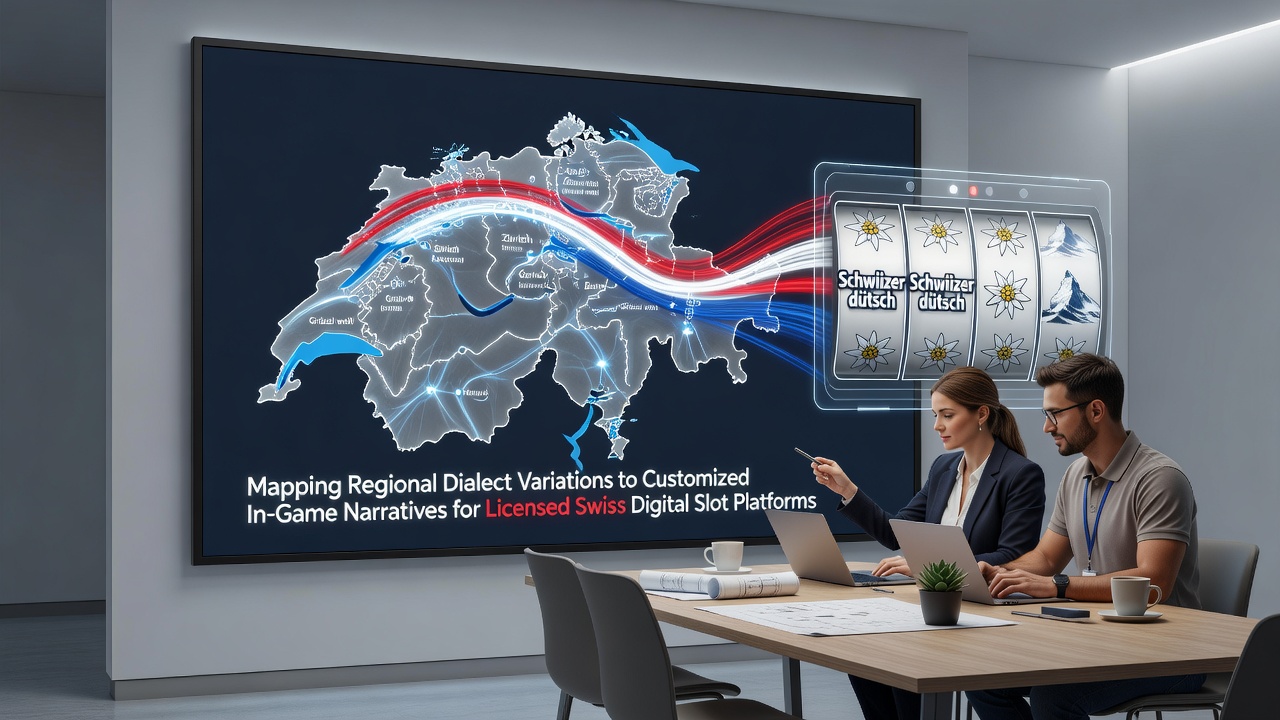
Mapping Regional Dialect Variations to Customized In-Game Narratives for Licensed Swiss Digital Slot Platforms
Switzerland's linguistic landscape features distinct regional dialects that licensed digital slot platforms incorporate into game narratives through systematic mapping processes, and this approach draws on data from language distribution studies across cantons where Swiss German variants such as Zurichdeutsch, Berndeutsch, and Baseldytsch appear alongside French, Italian, and Romansh elements. Researchers at institutions including the University of Zurich have documented how these dialects carry unique vocabulary, pronunciation patterns, and cultural references that platforms adapt to create localized storylines in slot games, while maintaining compliance with federal licensing standards enforced by the Swiss Federal Gaming Board.
Platform developers begin by analyzing player location data and language preferences collected during account registration, then align specific dialect features with narrative modules such as character dialogue, event descriptions, and bonus round scripts. A study from the Swiss Federal Statistical Office indicates that approximately 60 percent of German-speaking residents use regional dialects daily, which creates opportunities for platforms to adjust phrasing like greetings or exclamations to match user profiles without altering core game mechanics or payout structures.
Linguistic Data Integration in Game Development
Teams compile dialect corpora from public linguistic resources and academic collections, then feed these into natural language processing tools that generate variations for in-game text, and this process occurs during initial content creation phases before platforms submit games for certification. Observers note that integration happens at the script level where developers tag narrative segments with dialect identifiers, allowing real-time switching based on player settings or detected IP locations within Switzerland.
One documented case involves a licensed operator that mapped Bernese dialect elements including softened consonants and specific idioms into a mountain-themed slot narrative, resulting in character lines that reflect local storytelling traditions while preserving English or standard German base structures for regulatory review. Data from similar implementations shows measurable increases in session duration when players encounter familiar linguistic patterns, according to aggregated reports shared at industry conferences.
Technical Mapping Techniques and Platform Tools
Developers employ modular content management systems that separate narrative assets from core code, enabling dialect swaps through parameter-driven templates, and these systems connect to backend databases updated periodically with new linguistic inputs from regional consultants. In October 2026 several platforms plan to expand these tools wth enhanced machine learning models trained on anonymized player interaction data to refine dialect accuracy across French-speaking and Italian-speaking cantons as well.
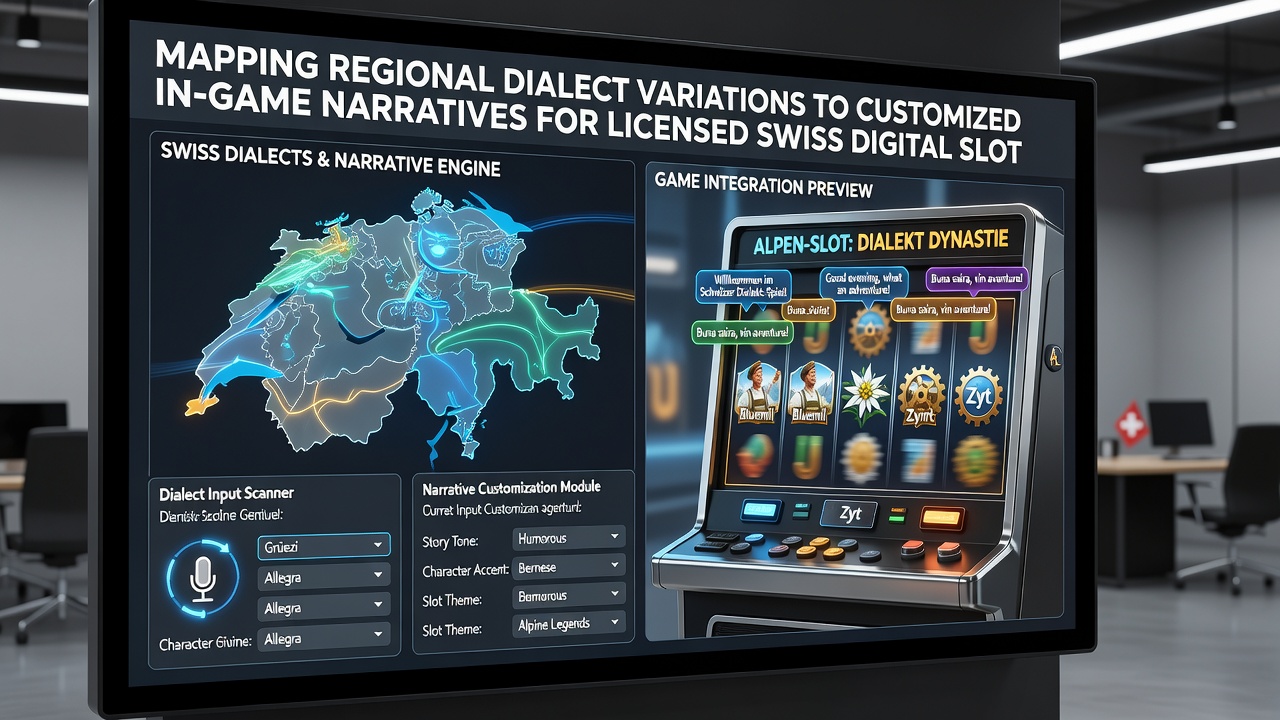
Testing protocols require multiple review stages where linguists verify that generated text maintains cultural appropriateness and avoids unintended meanings, while automated checks ensure compatibility with random number generator outputs and bonus trigger conditions remain unchanged. Industry reports from the European Gaming and Betting Association highlight similar localization efforts in other multilingual markets, though Swiss implementations emphasize stricter alignment with national language policies.
Examples of Dialect Application in Slot Narratives
Games themed around Swiss festivals often feature Basel German expressions during carnival sequences, whereas Zurich dialect appears in urban adventure narratives that reference local landmarks and traditions, and these customizations extend to audio elements where voice actors record dialect-specific lines for immersion. Players in the Valais region encounter narratives incorporating elements of the local French-influenced German variant, which studies from the Swiss Academy of Humanities and Social Sciences link to higher engagement rates in targeted demographics.
Case examples from licensed operators demonstrate how narrative branching allows players to select preferred dialect modes at the start of sessions, with backend systems tracking selections to inform future content updates without storing personal identifiers beyond session analytics. This method supports compliance requirements while delivering varied experiences across the four national language regions.
Implementation Trends Through Late 2026
Updates scheduled for October 2026 include expanded support for Romansh dialect fragments in alpine exploration games, driven by partnerships between platform providers and cantonal cultural organizations that supply authentic terminology. Figures from platform analytics indicate steady adoption of these features among users aged 25 to 45, with cross-canton consistency maintained through centralized quality assurance processes.
Regulatory frameworks require all dialect-mapped content to undergo the same scrutiny as standard narratives, ensuring that no modifications affect fairness or transparency obligations outlined in federal gaming statutes. External evaluations from bodies such as the Canadian Gaming Association have examined comparable multilingual strategies in other jurisdictions, providing benchmarks that Swiss developers reference during scaling phases.
Conclusion
Mapping regional dialect variations to customized narratives represents an established practice among licensed Swiss digital slot platforms that combines linguistic research with technical implementation to address Switzerland's multilingual population. Ongoing developments through 2026 continue to refine these methods while adhering to existing oversight structures, and available data from statistical agencies and academic sources document the scope of current applications across major operators.