Inside Switzerland's Framework for Linking Player Self-Exclusion Programs with Jackpot Access Controls
Rafael Walter · Oct 2, 2026
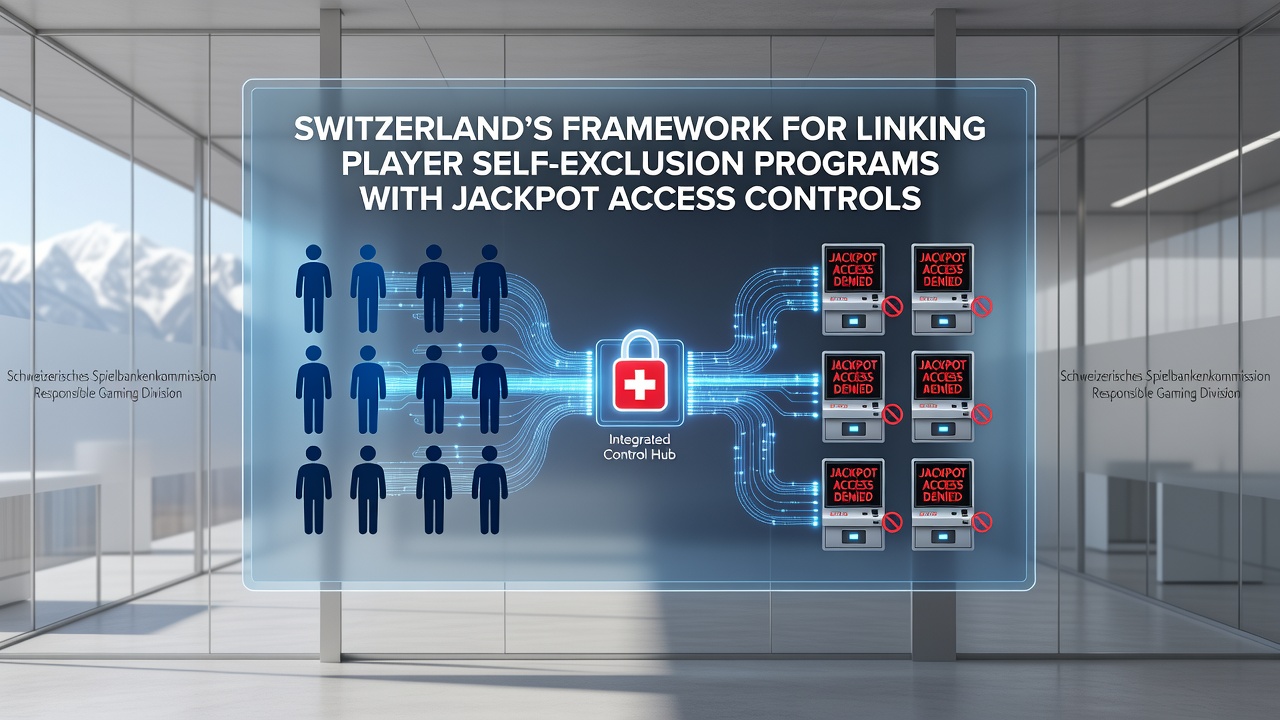
Inside Switzerland's Framework for Linking Player Self-Exclusion Programs with Jackpot Access Controls
Switzerland maintains a structured approach to player protection that integrates self-exclusion programs directly with controls on jackpot access in both land-based and online gaming environments, and this linkage operates through centralized databases maintained by licensed operators under federal oversight. The system requires operators to cross-reference player identities against exclusion lists before processing any jackpot claims, which creates a technical barrier that prevents excluded individuals from receiving large prize payouts even if they manage to place bets through other channels.
Core Components of the Swiss Self-Exclusion System
Self-exclusion in Switzerland functions through a national registry that captures voluntary bans requested by players, and these records feed into real-time verification protocols used by casinos and online platforms. Operators must update their access controls within specified timeframes after a new exclusion entry appears, which ensures that jackpot systems automatically flag and block any matching account attempts to claim winnings. Data from the registry flows to licensed entities via secure APIs, and this setup aligns with broader requirements set by the Swiss Federal Gaming Board.
Verification occurs at multiple points in the player journey, from initial registration through to prize disbursement, while jackpot access controls specifically target high-value wins that exceed defined thresholds. When a self-excluded player attempts to redeem a jackpot, the system triggers an automatic denial and routes the case for review by compliance staff, and such incidents get logged for regulatory reporting purposes.
Technical Integration Mechanisms
Linking occurs through encrypted data-sharing channels that connect exclusion databases with jackpot management software, and operators implement these connections using standardized protocols that underwent certification processes. In practice, a player who enters self-exclusion sees their profile marked in the central system, which then propagates the restriction to all affiliated platforms within the required window. Jackpot controls activate during the payout stage rather than at bet placement, which allows some activity to continue while blocking the final reward step.

Updates scheduled for October 2026 introduce enhanced matching algorithms that incorporate additional identity markers such as device fingerprints and payment details, and these changes aim to close remaining loopholes in cross-platform tracking. The Federal Gaming Board has outlined timelines for operator compliance testing ahead of that date, with pilot programs already underway at several major sites.
Regulatory Oversight and Reporting Requirements
Swiss authorities require quarterly reports on exclusion-linked jackpot blocks, and these submissions include anonymized statistics on attempted claims along with resolution outcomes. Observers note that such data helps regulators assess the effectiveness of the linkage without exposing individual player details. Licensed operators face audits that specifically examine whether jackpot systems correctly reference exclusion records, and non-compliance can result in fines or license reviews.
International comparisons sometimes reference frameworks from other jurisdictions, including reports issued by Canadian research on gaming safeguards and analyses from the Australian Institute of Criminology on player protection technologies, yet Switzerland's model remains distinct in its mandatory jackpot-specific controls tied to the national registry.
Operational Challenges and Adjustments
Implementation has required ongoing adjustments to handle edge cases such as players who attempt to use third-party accounts or delayed data synchronization across operators. Research indicates that the majority of blocked jackpot attempts involve accounts already flagged in the exclusion system, while a smaller portion stems from recent registrations that trigger retroactive checks. Those who administer the programs continue to refine matching criteria to reduce false positives that could affect non-excluded players.
Training for casino and platform staff emphasizes recognition of system alerts related to jackpot blocks, and this preparation supports consistent application of the rules across different venues. The framework also incorporates provisions for temporary exclusions that automatically lift after defined periods, at which point jackpot access restores if no further restrictions apply.
Conclusion
Switzerland's integration of self-exclusion programs with jackpot access controls forms a targeted layer within its broader player protection structure, and the approach continues to evolve through scheduled technical enhancements and regulatory monitoring. As October 2026 approaches, operators prepare for the next phase of system upgrades that promise tighter identity verification. The resulting framework delivers measurable blocks on excluded players seeking large payouts, supported by centralized data flows and audited compliance processes.